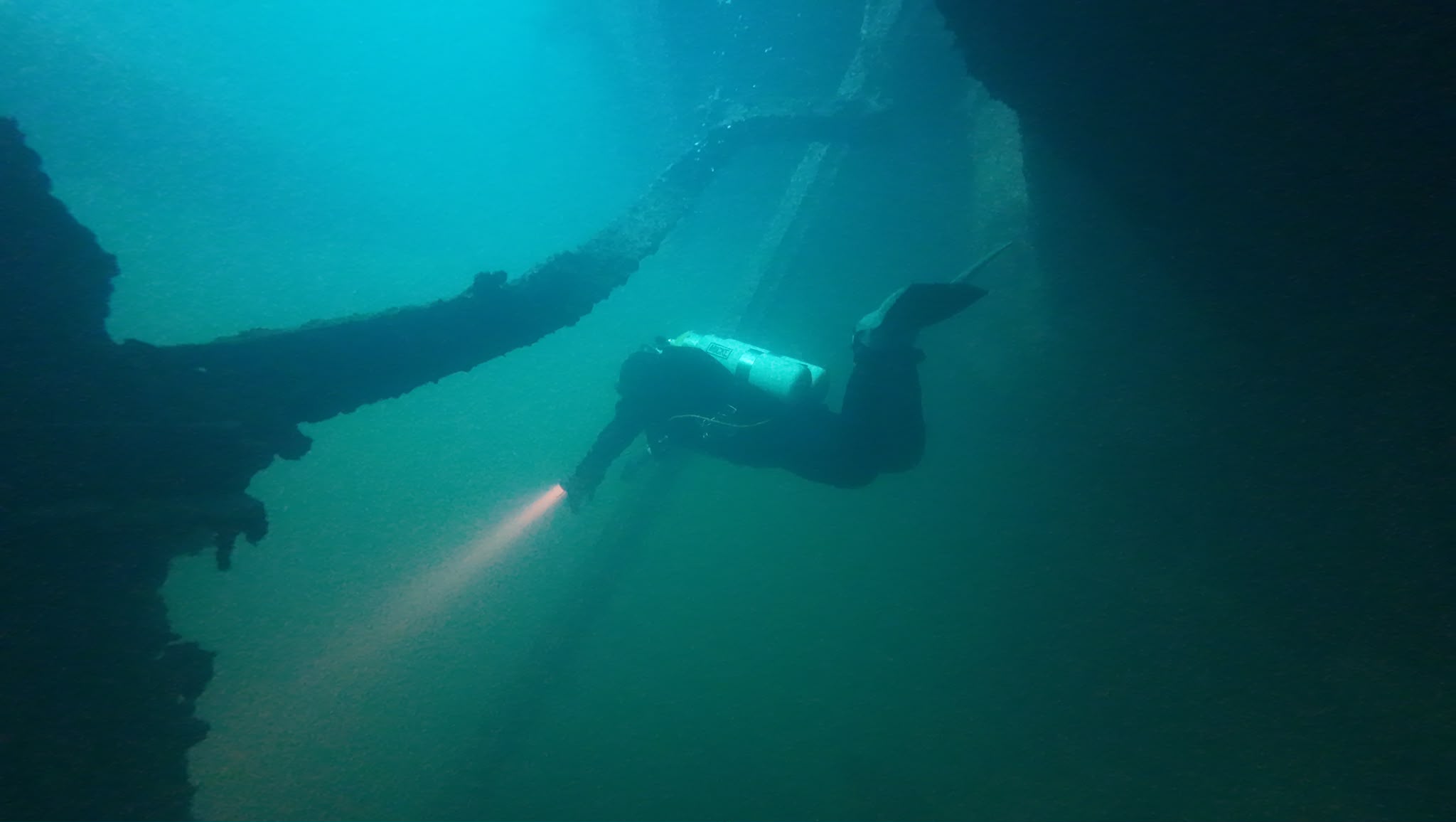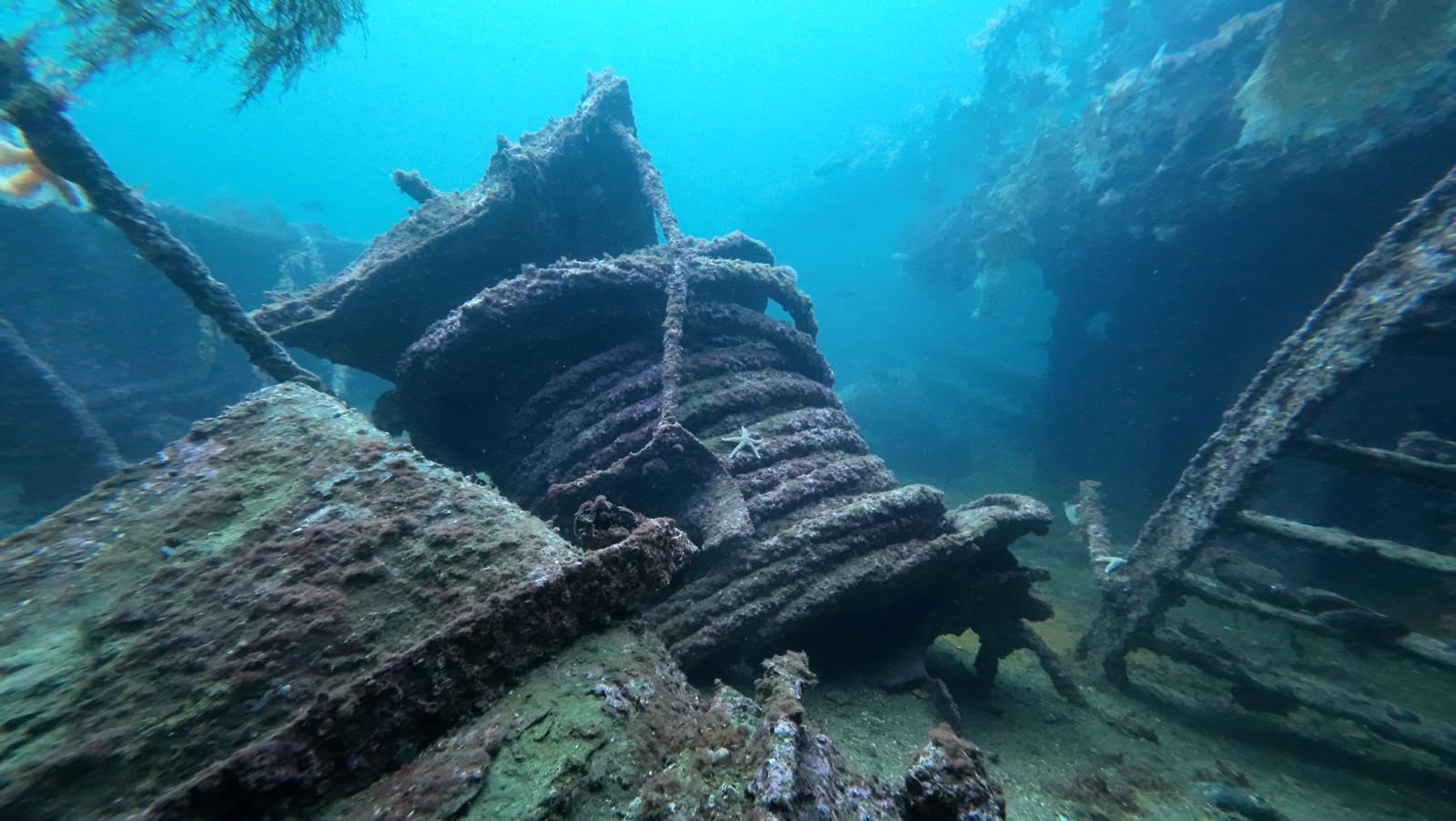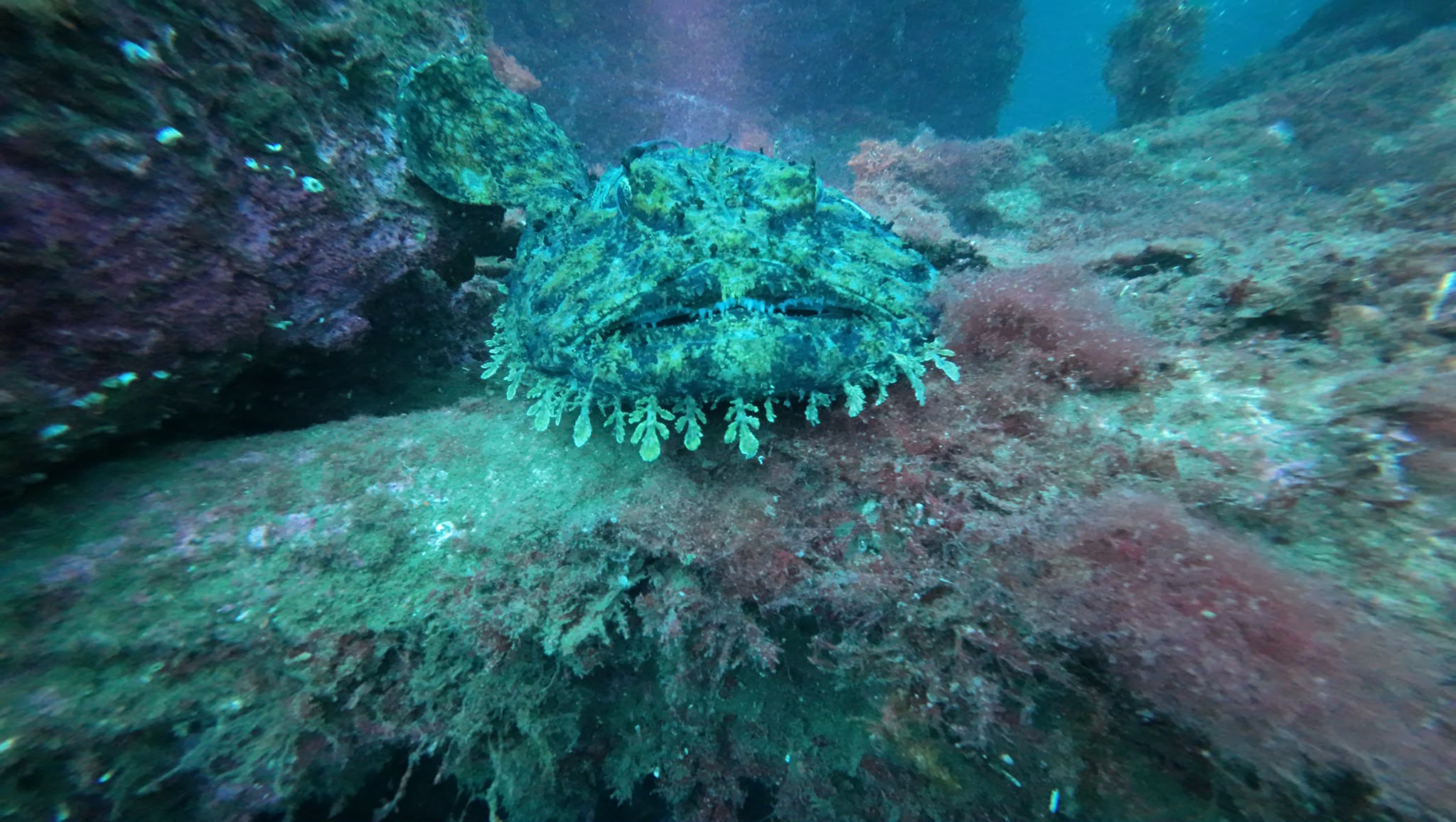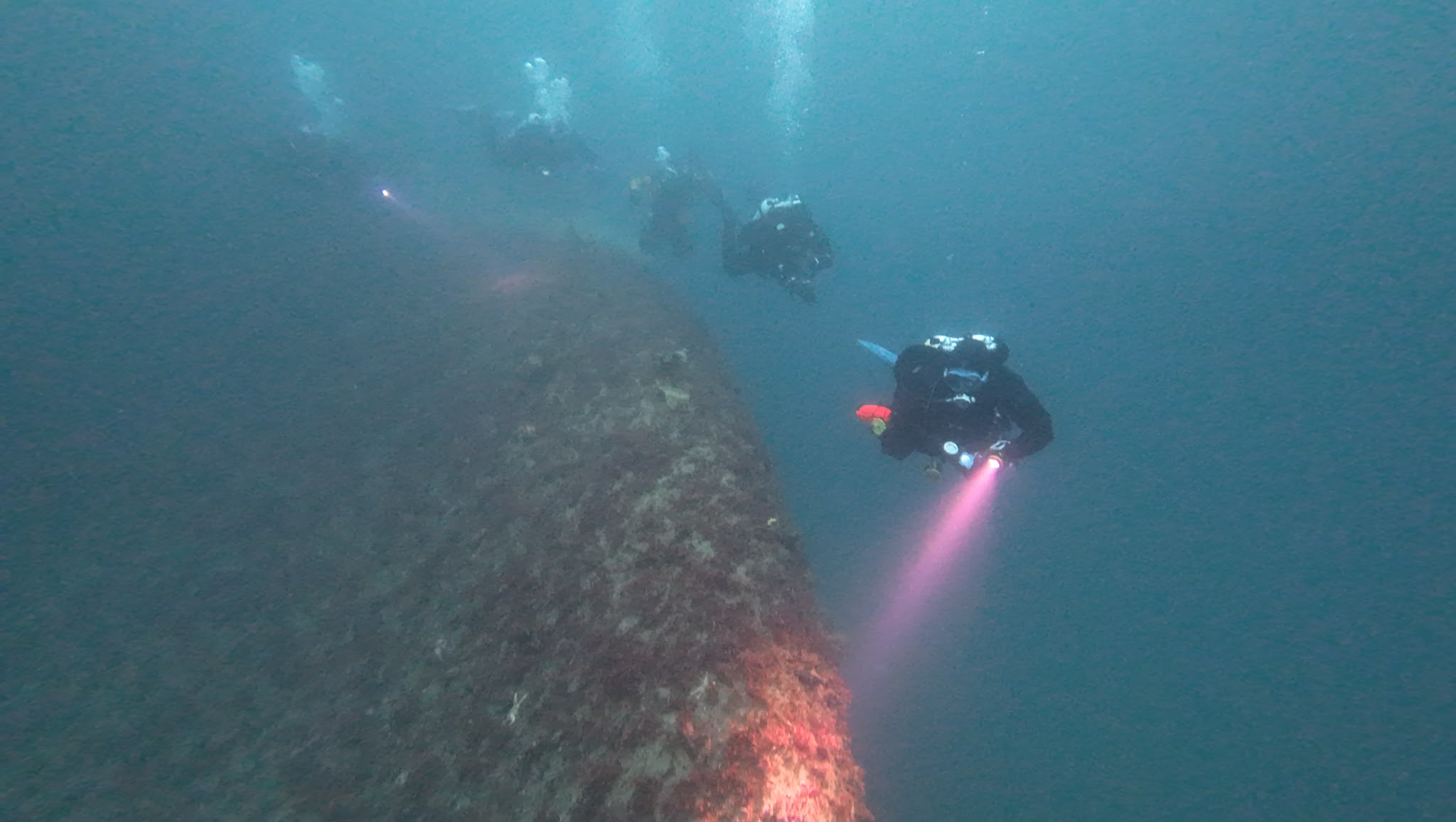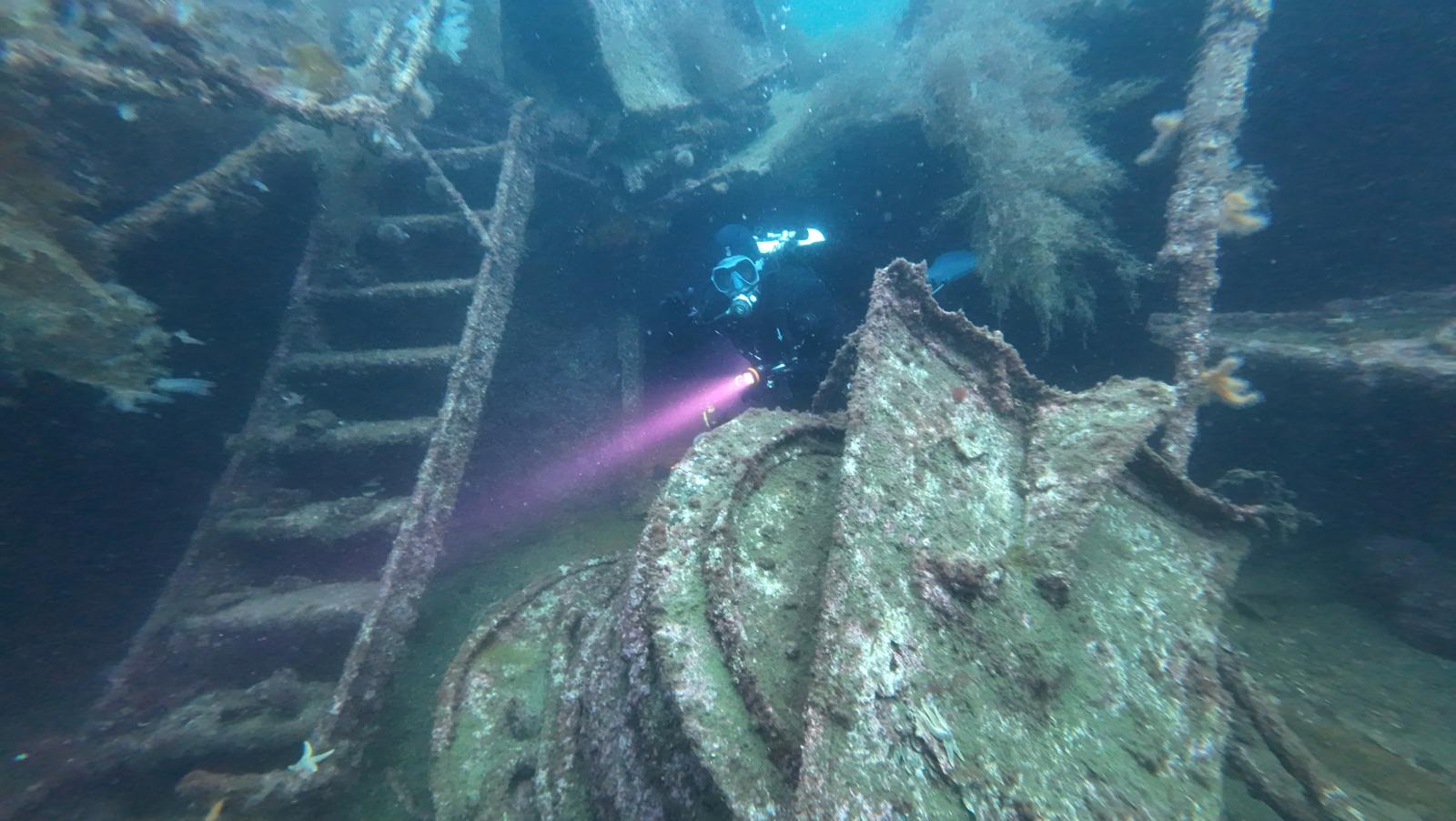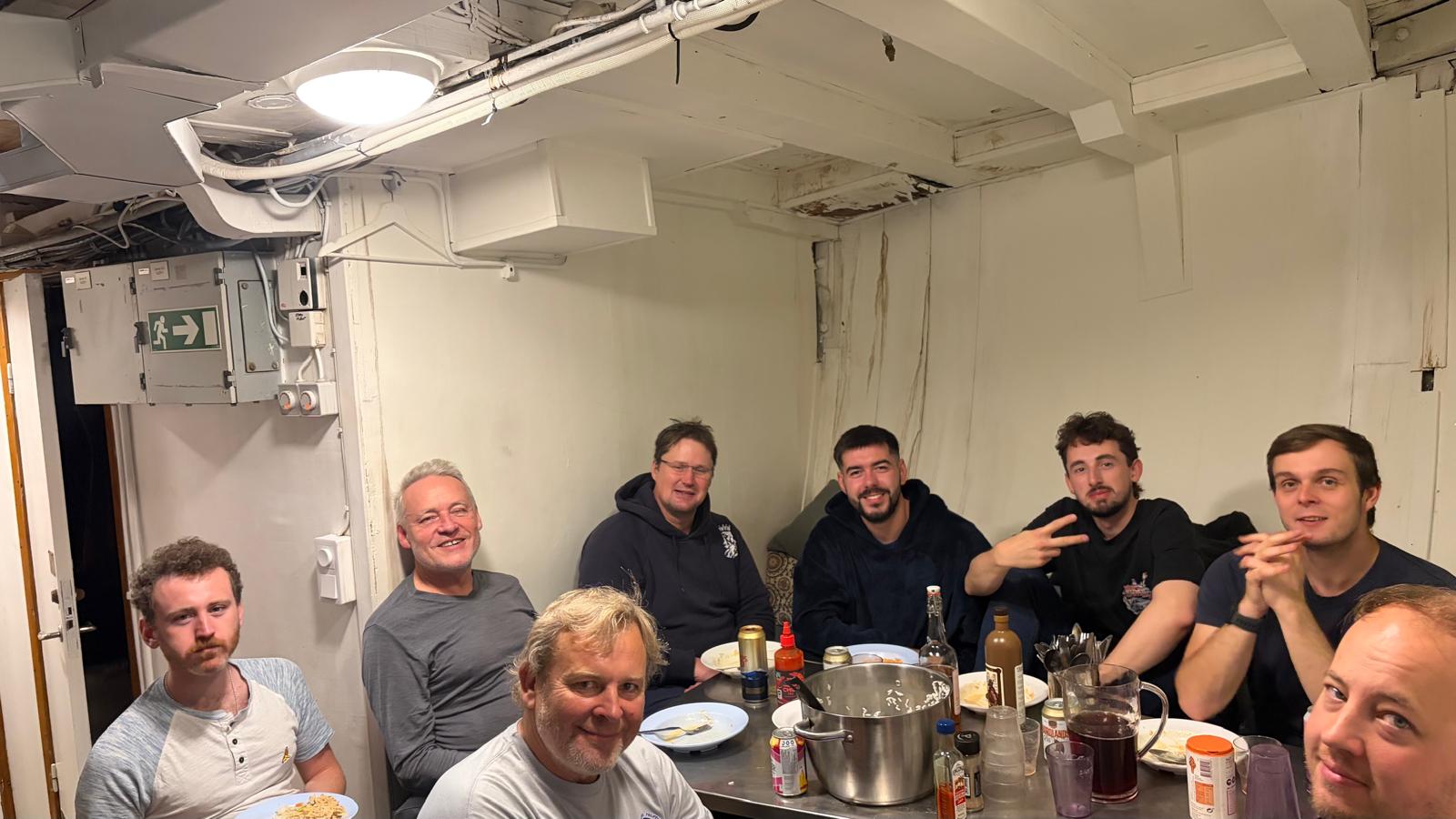

“Best dive trip ever” was organiser Lukas’s verdict after Putney BSAC’s recent visit to Narvik, in northern Norway. With historic wrecks, mountain scenery and plenty of laughter between dives, the trip clearly made an impression.
Based aboard the liveaboard HMS Galten, the group had short boat journeys to a remarkable collection of wartime wrecks. Lukas described turquoise-tinted water, sheltered by the surrounding mountains, and calm conditions throughout their stay. Their deepest dives reached around 27 metres: plenty of scope for exploring substantial ships without taxing the less experienced members of the club.
Narvik’s wrecks tell the story of a port whose importance far outweighed its size. Its ice-free harbour shipped iron ore from Sweden’s mines, making it strategically valuable to Germany and the Allies. Following the German invasion of Norway in 1940, British naval attacks left German destroyers and merchant ships sunk across the harbour and surrounding fjords.
Lukas’s wreck notes reveal the variety on offer. The British steamship Romanby and German cargo ship Neuenfels provide a contrast to the warships, with large cargo spaces and substantial hull remains. At roughly 12–26 metres and 10–24 metres respectively, their listed depths put much of the wreckage within reach of suitably qualified recreational divers.
The German destroyers Diether von Roeder, Wilhelm Heidkamp and Anton Schmitt offer a different atmosphere. Damaged by battle, salvage and decades underwater, their surviving structures reward a closer look. Recognisable naval features sit among broken sections and twisted plating, giving divers a tangible connection to the ships’ former lives.
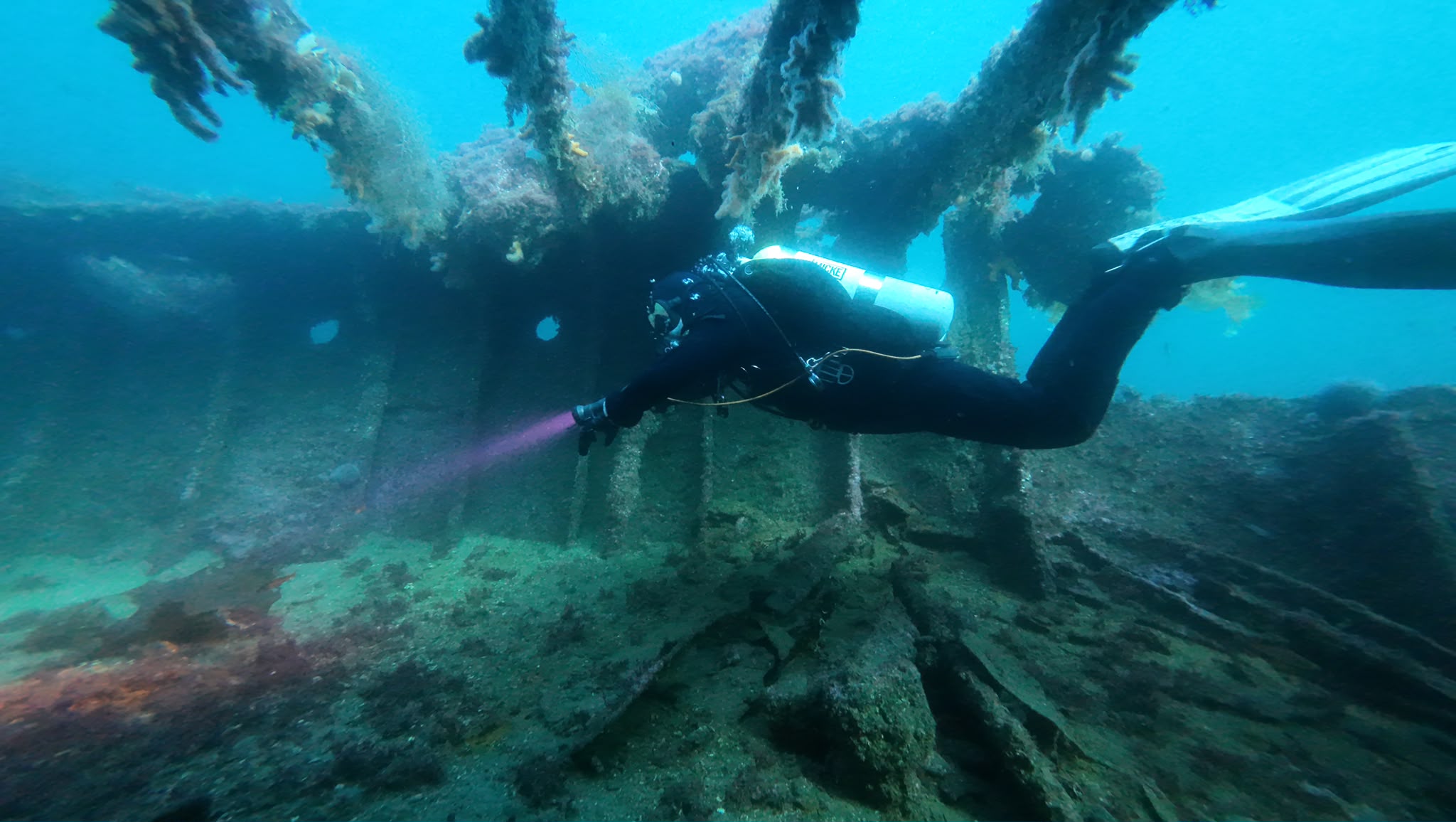
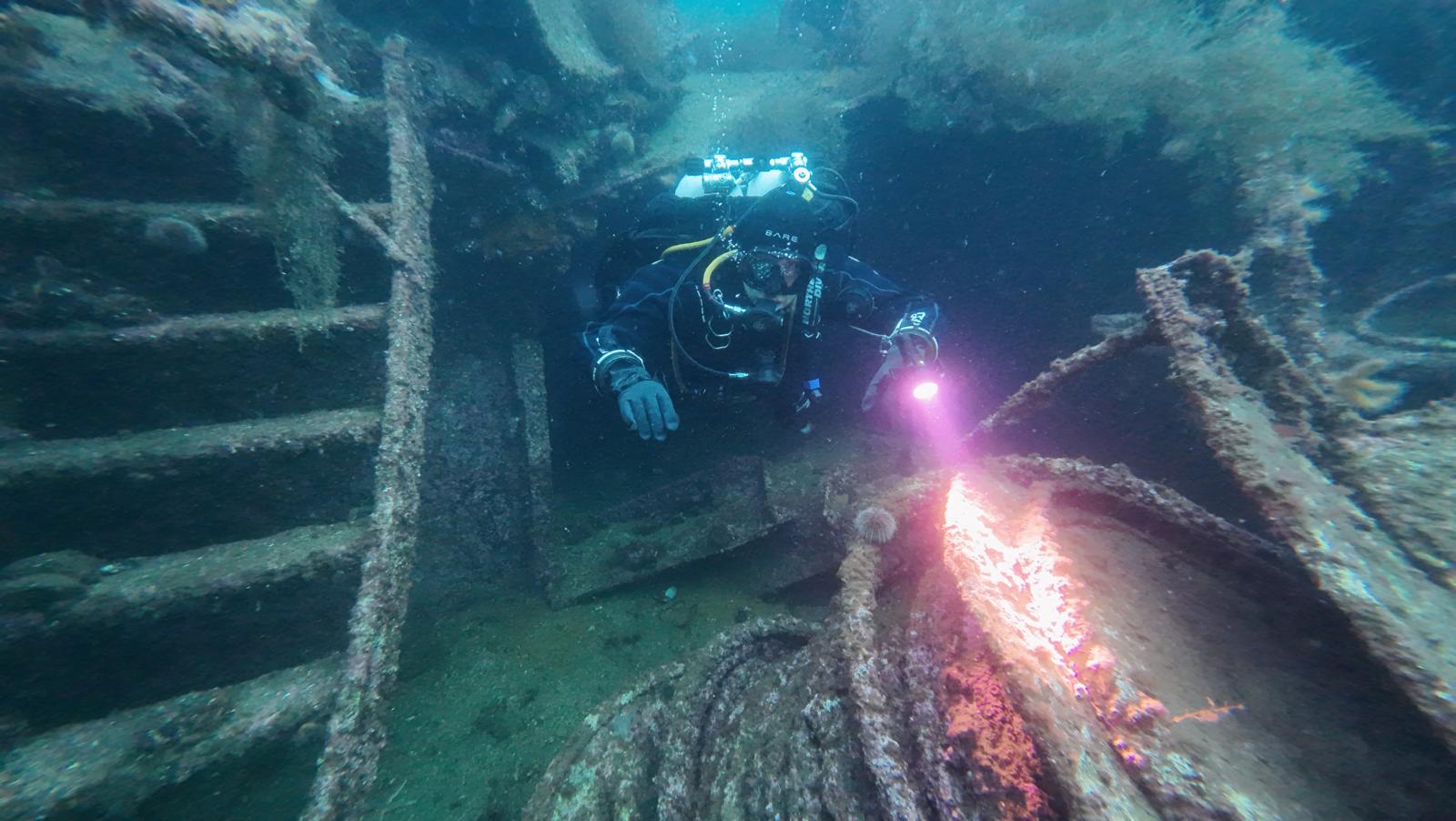
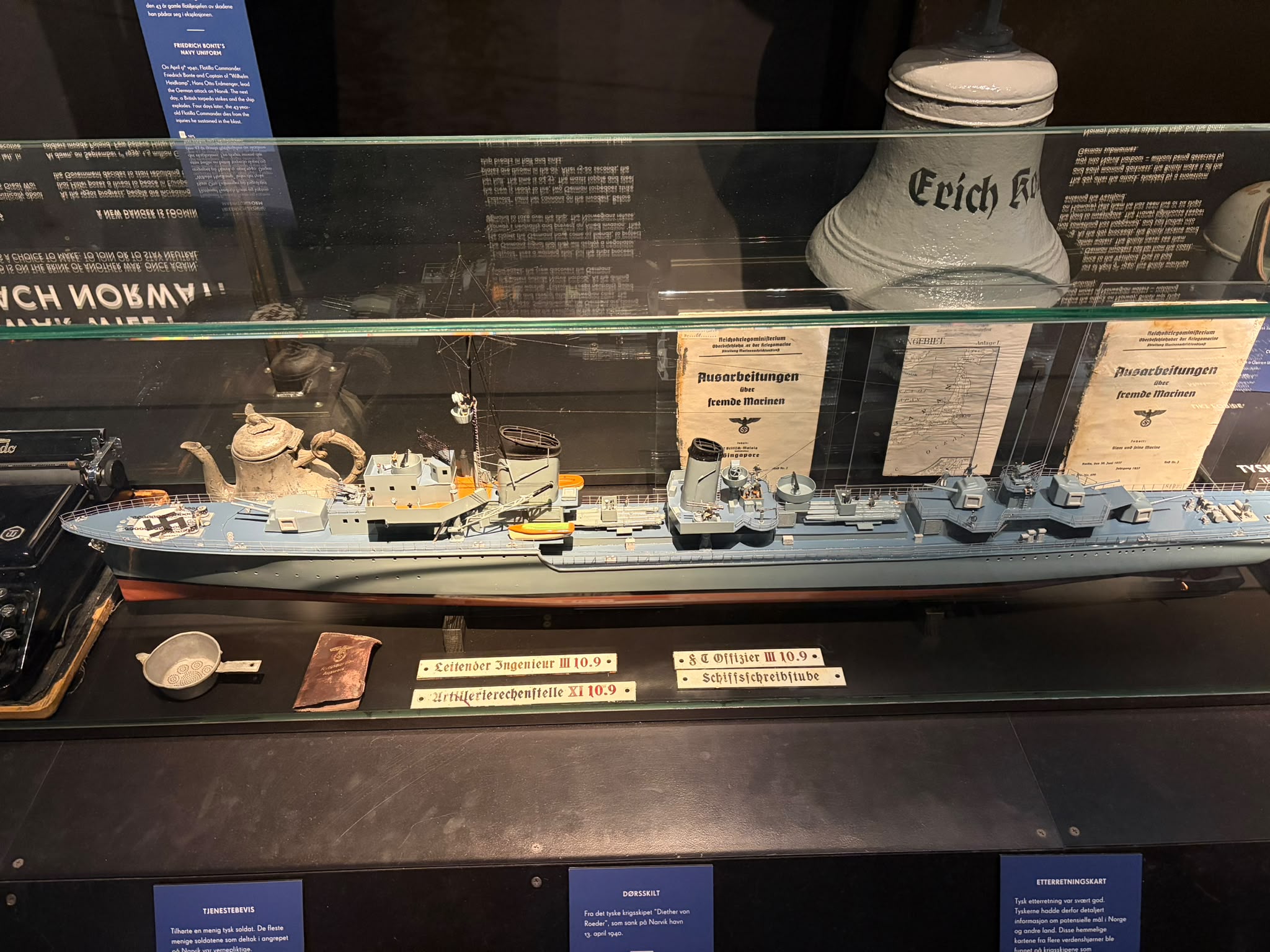
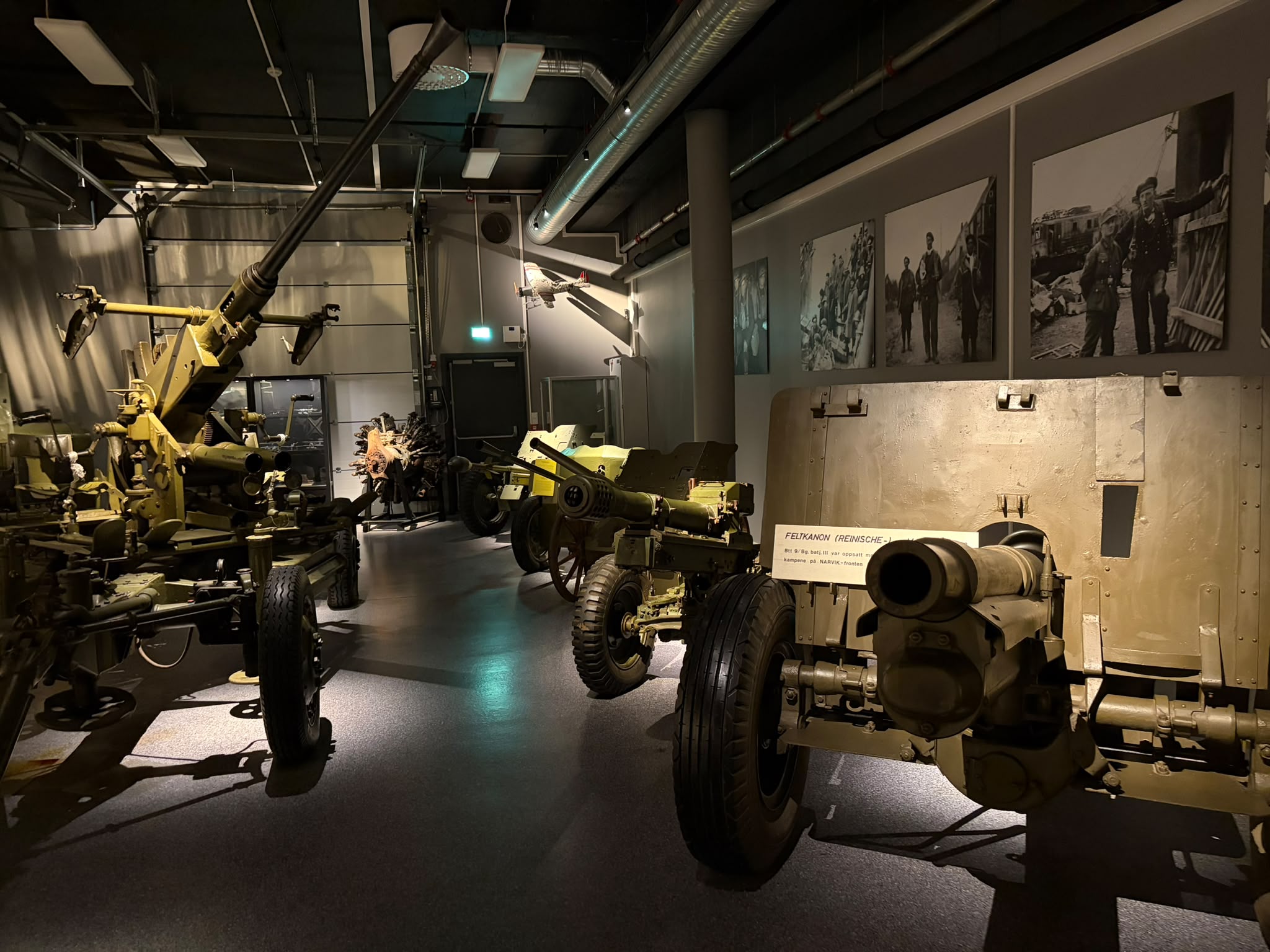
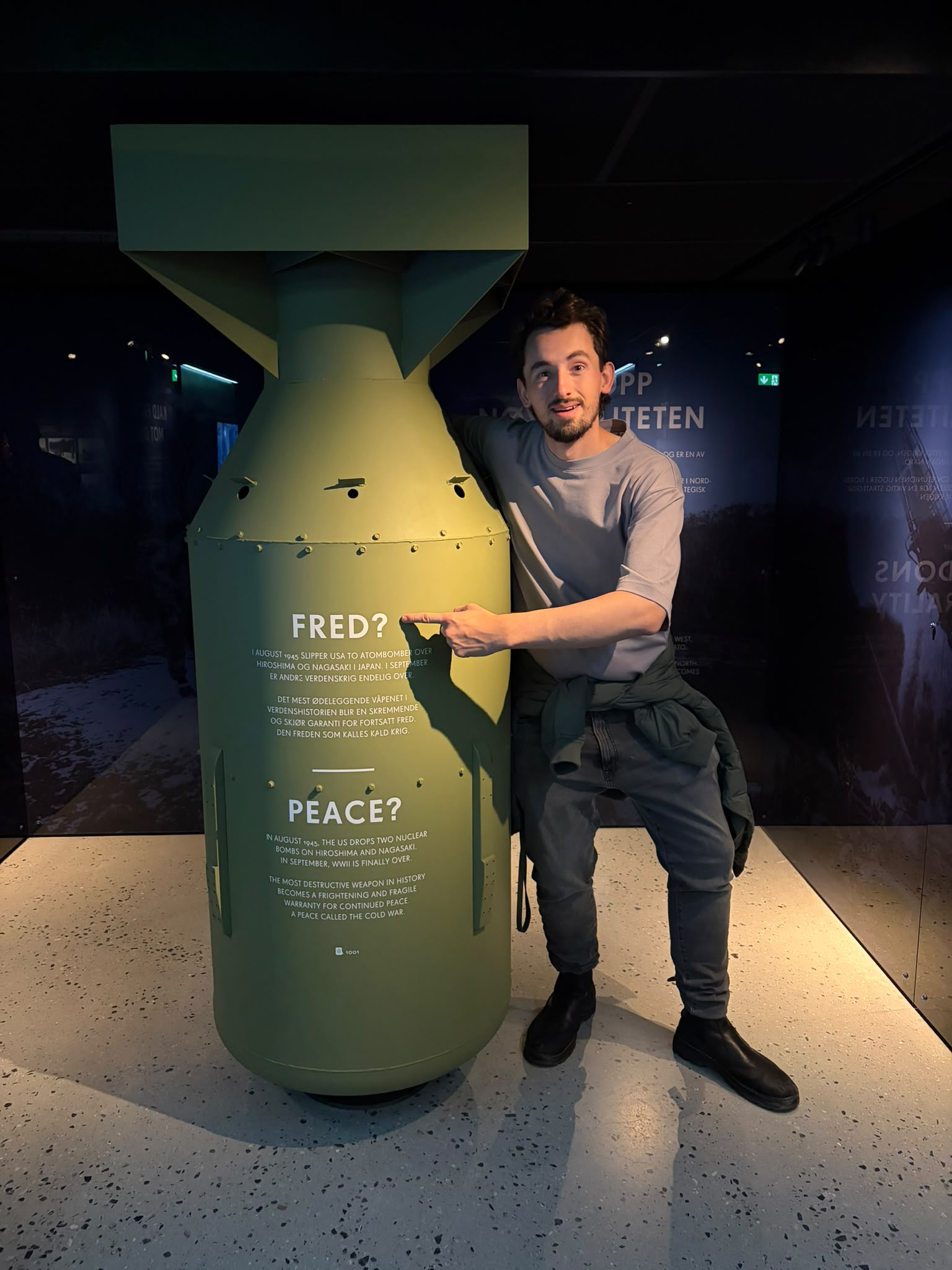
A visit to the nearby Narvik War Museum helped make sense of what lay beneath the surface. For the group, models of the destroyers were particularly useful, helping them identify features under the water.
Shallow depths did not mean straightforward wreck penetration. Lukas highlighted sharp exposed metal and deteriorating structures, while his site notes warned of unstable interiors. There was ample interest in the external features and open areas without entering confined sections.
Life between dives proved just as memorable. Skipper Erik attended to the group’s needs, while Swedish closed-circuit rebreather divers Alex and Andreas were quickly adopted into the party, joining the evening gatherings and laughter.
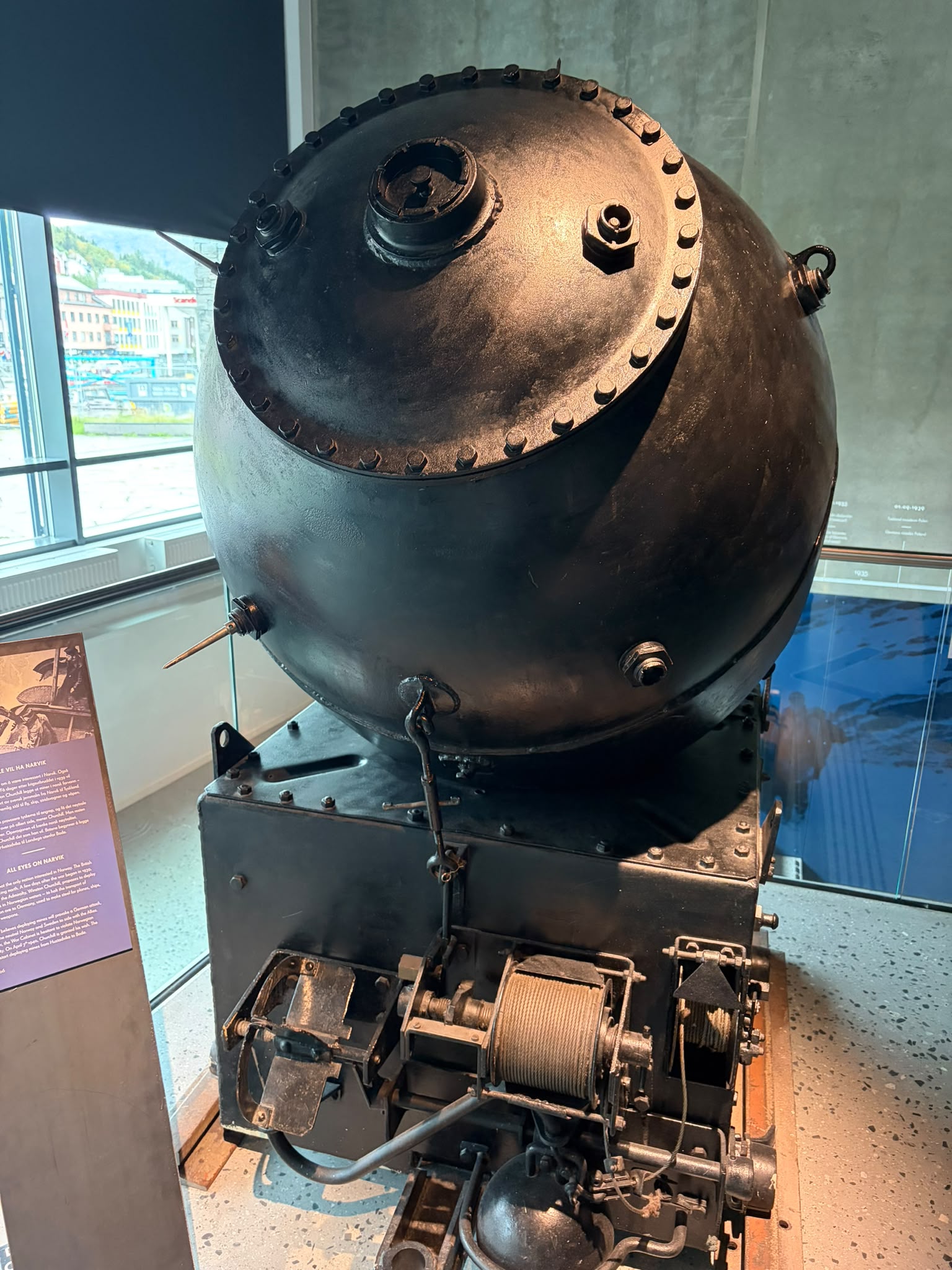
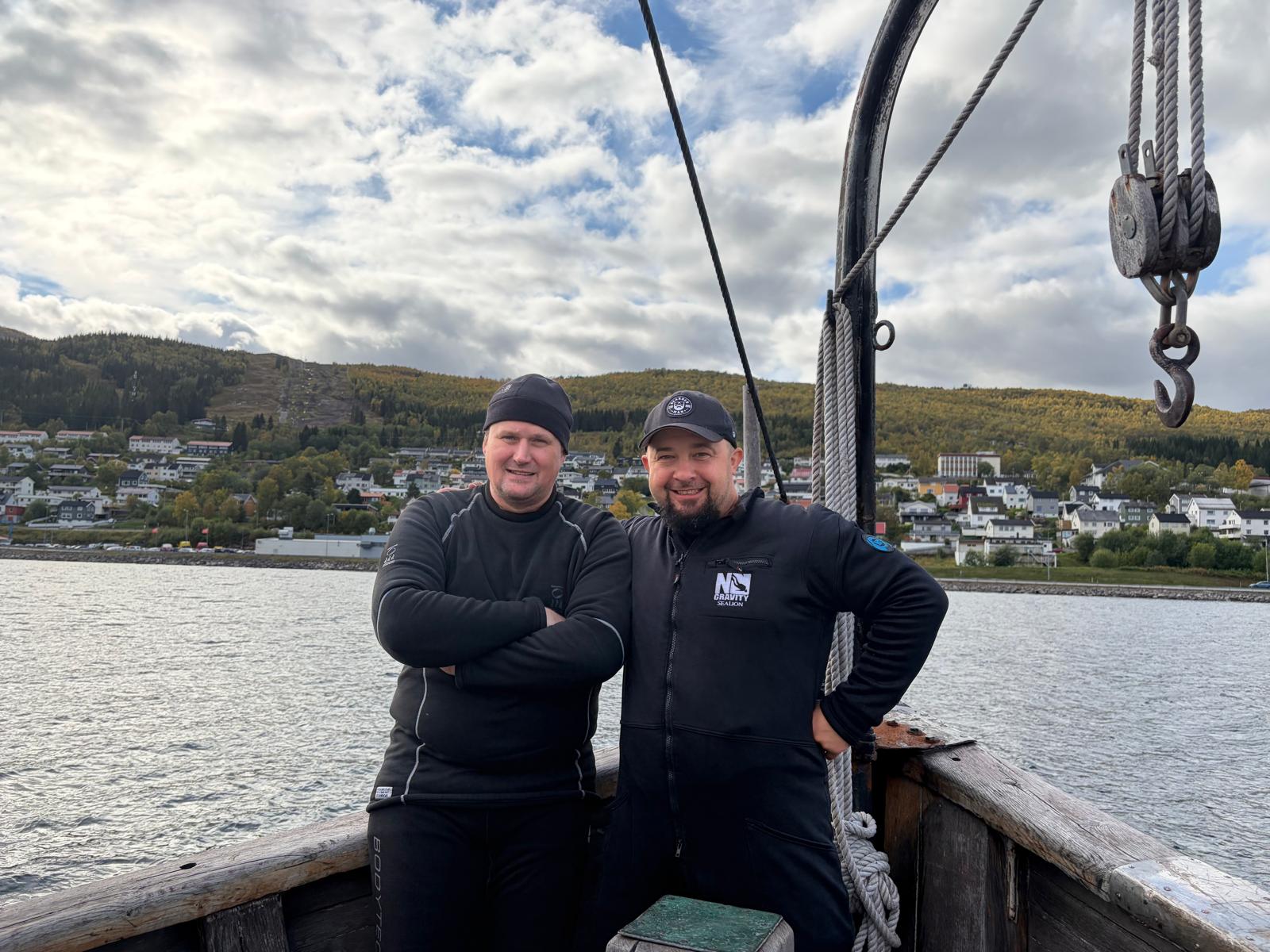
For many, the sauna became another highlight, followed by a plunge into the cold fjord. On the final evening, Michal took over the kitchen and produced a goulash that earned ovations. After a packed programme of diving and sightseeing, it was a fitting finish.
For Putney BSAC, Narvik brought together compelling wrecks, spectacular surroundings and the company that makes a club trip special. Lukas’s enthusiastic verdict is easy to understand.